
 By
By 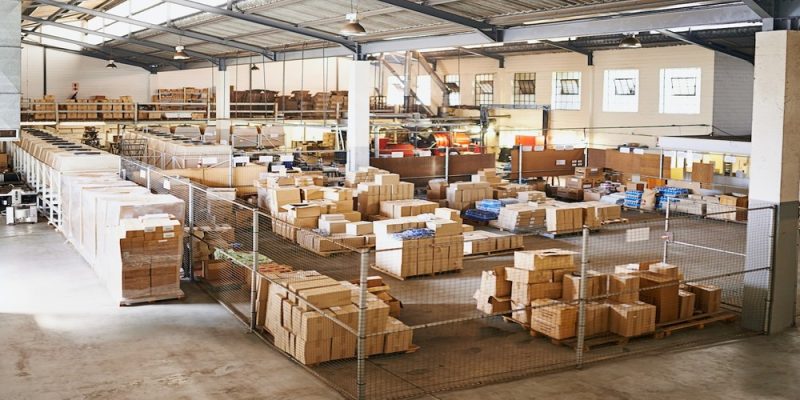
Efficient storage planning improves workflow across busy warehouse environments. Organized layouts reduce handling time and support consistent movement. Proper use of gaylord containers creates structured zones for bulk storage. These solutions simplify sorting while maintaining clear accessibility for teams. Smart stacking methods further improve usable floor space without congestion.
Smart Layout Planning For Bulk Storage
Effective layouts begin with clear zone identification and flow mapping. Teams benefit when pathways remain open and logically arranged. Stackable units support better vertical usage without sacrificing access.
- Define zones for inbound and outbound materials
- Maintain clear pathways for equipment movement
- Use stackable boxes for vertical expansion
- Label storage areas for quick identification
Clear planning improves daily operations while reducing unnecessary handling delays. Organized spaces also support faster inventory tracking during peak hours.
How Do Stackable Boxes Improve Efficiency?
Stackable designs allow better use of available height and width. Workers spend less time searching when items stay properly grouped. Structured stacking prevents clutter from spreading across work areas.
Optimized Handling With Structured Storage Units
Handling efficiency improves when storage units follow consistent sizing standards. Workers easily recognize placement patterns, reducing confusion during busy shifts. Uniform containers support smoother loading and unloading processes.
- Standard sizes simplify consistent stacking patterns
- Reinforced walls handle heavier bulk materials safely
- Smooth surfaces allow easier forklift positioning
- Durable build reduces replacement frequency over time
Consistent handling practices improve workflow speed across departments. This approach reduces physical strain while maintaining steady productivity levels.
What Makes Bulk Storage Systems Reliable?
Reliable systems maintain stability under continuous heavy usage conditions. Durable materials ensure units withstand pressure from stacked loads. Proper design prevents shifting or collapsing during movement.
Space Maximization Using Vertical Storage Methods
Vertical storage increases capacity without expanding physical warehouse size. Facilities benefit when height becomes part of usable storage space. Structured stacking using gaylord containers improves organization without crowding. This approach allows better grouping of similar materials efficiently.
- Utilize height for increased storage capacity
- Group similar goods within stacked units
- Reduce floor clutter with vertical arrangements
- Improve visibility with aligned stacked structures
Better space usage creates smoother movement throughout storage areas. Teams navigate easily without encountering unnecessary blockages during operations.
How Can Storage Systems Reduce Daily Delays?
Delays often occur when items remain misplaced or poorly organized. Structured systems ensure everything stays within designated locations. Workers quickly locate materials without interrupting ongoing tasks.
Maintaining Clean And Accessible Storage Areas
Clean environments support better efficiency and safer working conditions. Organized storage prevents accumulation of unnecessary materials over time. Regular checks help maintain order and prevent overflow issues.
- Remove unused items from active storage zones
- Conduct routine inspections for organization consistency
- Keep aisles clear for uninterrupted equipment movement
- Maintain labeling clarity across all storage sections
Clean spaces improve visibility while supporting faster decision making. Workers operate confidently within well maintained and accessible environments.
Consistent Organization Builds Long Term Efficiency
Well organized systems support reliable operations across changing workloads. Consistency ensures teams adapt quickly without major disruptions. Storage structures continue performing efficiently with minimal adjustments.










Comments