
 By
By 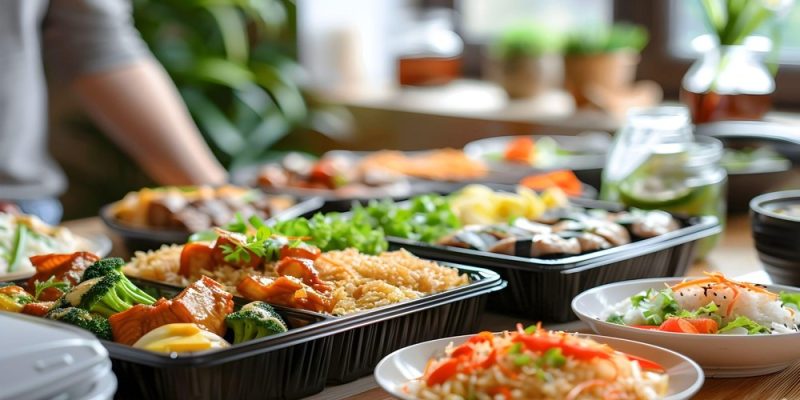
Key Takeaways
- Small group catering is commonly used for private celebrations, office meetings, family gatherings, and networking events.
- Event organisers often choose smaller catering formats to manage budgets, reduce food waste, and simplify logistics.
- Flexible menu portions and compact setups make small group catering suitable for venues with limited space.
- The demand for smaller-scale events has influenced how catering providers structure menus and delivery services.
Introduction
The events industry has seen a noticeable shift towards smaller and more focused gatherings. Instead of organising large-scale functions with extensive buffet spreads, many hosts now prefer compact events with fewer attendees and more manageable catering arrangements. This instance has increased the demand for small group catering, especially for occasions where convenience, portion control, and venue limitations are important considerations.
Many catering providers have adjusted their offerings to suit these smaller events by introducing mini buffet packages, individually packed meals, and simplified service setups. Across different industries and social settings, catering continues to adapt to changing event requirements. From corporate environments to private homes, small-scale catering formats are now used for a wide range of occasions.
1. Corporate Meetings and Team Discussions
Corporate meetings are one of the most common events that use small group catering services. Many companies organise internal discussions, project meetings, workshops, and client presentations involving fewer than 20 people. Organisers, in these situations, usually prioritise convenience and efficiency over elaborate dining arrangements.
Small group catering works well because it allows businesses to provide meals without requiring large buffet setups or extensive serving equipment. Individually packed meals, mini buffets, and light refreshments are commonly selected for office environments where meeting spaces may be limited. This setup also helps reduce interruptions during presentations and discussions since attendees can eat quickly and continue with the session.
Another reason companies use this format is budget control. Catering for smaller teams allows organisers to allocate food portions more accurately while avoiding excessive leftovers. Meeting durations, in many office settings, are also shorter, making compact catering arrangements more practical than full-service buffet options.
2. Private Home Celebrations
Private celebrations at home frequently rely on small group catering services due to space limitations and guest count considerations. Birthdays, baby showers, anniversaries, and casual family gatherings often involve a manageable number of guests rather than large crowds.
That said, for these occasions, hosts usually prefer catering arrangements that are simple to organise and easy to clean up afterwards. Mini buffet trays, finger foods, and ready-to-serve platters are popular because they fit well within residential dining areas and condominium function rooms. Catering providers also often adjust portion sizes according to smaller attendance numbers, which helps reduce unnecessary food waste.
Another factor contributing to this trend is convenience. Hosts can focus on entertaining guests instead of preparing meals or coordinating food service themselves. Since smaller social gatherings continue to remain popular, many providers involved in catering in Singapore now offer packages specifically designed for compact home events.
3. Networking Sessions and Business Events
Networking events and business gatherings also commonly use small-scale catering formats. Industry meetups, investor discussions, media briefings, and recruitment sessions usually involve attendees moving around freely rather than sitting down for formal meals.
Light catering options are generally preferred in these cases because they support social interaction without creating disruptions. Canapés, snack platters, mini desserts, and beverage stations are often selected for this type of event. Since attendees may arrive and leave at different times, organisers typically avoid heavy buffet arrangements that require more supervision and serving space.
Venue limitations also influence catering decisions. Many networking sessions take place in co-working spaces, meeting rooms, galleries, or temporary event venues that may not support large catering equipment. Smaller catering setups are easier to transport, arrange, and remove after the event ends.
This approach has contributed to the growth of flexible catering packages designed specifically for shorter and less formal business functions.
4. Family Gatherings and Religious Occasions
Family gatherings and religious events are another major category that frequently uses small group catering services. Prayer sessions, memorial gatherings, festive meals, and reunion dinners often involve close relatives and invited guests within a limited group size.
These occasions typically prioritise practical food arrangements that can accommodate different age groups and dietary preferences. Instead of preparing multiple dishes independently, families often engage catering providers to handle food preparation and delivery. This approach reduces workload for hosts while ensuring meals are distributed efficiently.
Small group catering is especially useful for events held in residential spaces where kitchen capacity and dining areas may be restricted. Many families also prefer pre-portioned meals or simplified buffet trays to maintain cleaner and more organised serving conditions during the gathering.
Conclusion
Small group catering has become a practical solution for many modern events due to its flexibility, manageable portion sizes, and simplified logistics. Corporate meetings, home celebrations, networking functions, and family gatherings all commonly rely on this catering format for convenience and operational efficiency.
Since event sizes continue to vary, providers involved in catering are likely to keep expanding their smaller-scale catering options to meet changing consumer and business needs.
Planning a smaller event does not mean compromising on food organisation and presentation. Contact Elsie’s Kitchen today.







Comments