
 By
By 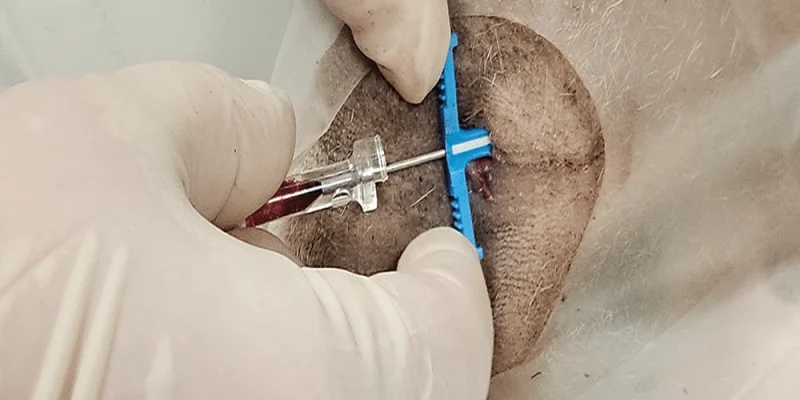
You may have heard the words central line or long term IV access in the middle of an already hard day, when your pet is sick, tired, and suddenly surrounded by monitors, pumps, and staff moving fast. That moment can feel like too much all at once. You are trying to keep up, make good choices, and understand why a simple IV is no longer enough. Pet Wellness Visits Oakville can help pet owners.
The short version is this. A central line is a special catheter placed into a large vein so your pet can receive fluids, medications, nutrition, blood products, or repeated blood draws more safely over time. It is often used when treatment is expected to last more than a day or two, when certain drugs could damage smaller veins, or when your pet needs close hospital care. Central venous catheters in pets can help a medical team treat serious illness more effectively, but they also require careful monitoring and carry real risks.
Long term IV access is used when standard catheters stop being the best option
A regular IV catheter, often placed in a leg, works well for many pets. It is common, quick to place, and enough for short term fluids or routine medications. The problem starts when veins become hard to access, treatment lasts longer, or the medication itself is harsh on tissue. Repeated needle sticks add stress for your pet and for you. Small peripheral veins can also fail, leak, or become inflamed.
That is where long term IV access for pets becomes part of the conversation. A central line sits in a larger vein, usually with the tip positioned near the heart where blood flow is higher. That stronger blood flow helps dilute medications quickly, which lowers the chance of irritation to smaller vessels. In a critically ill patient, that matters.
Pets who may need this include those with severe infections, shock, pancreatitis, clotting issues, cancer, kidney disease, or prolonged recovery after surgery. Some need continuous medications. Some need frequent blood sampling because every extra poke increases stress and can make care harder. In emergency and intensive care settings, decisions often follow the same principles described in small animal triage and resuscitation guidance.
Central lines help with treatment, but they also change daily care
Once a central line is in place, your pet usually needs closer nursing attention. The line must stay clean, secure, and functional. Staff check for swelling, pain, discharge, fever, bleeding, and signs that the catheter has shifted or become blocked. If your pet is active, anxious, or likes to chew, keeping the line protected can be a challenge.
You may also notice more discussion about infection control. That is not alarmism. Any catheter that stays in place for days brings some infection risk, and central lines deserve extra respect because they reach deeper into the bloodstream. If your pet is already fragile, even a small complication can become a bigger one.
There is also the money side of this, and many owners carry guilt for even thinking about cost when their pet is in the hospital. Cost is part of care. A central line can increase the bill because placement often requires imaging, sedation, sterile supplies, and ongoing monitoring. At the same time, it may prevent repeated catheter replacements, reduce vessel damage, and make treatment more reliable. Those tradeoffs are real.
Central lines and peripheral IV catheters serve different needs
| Feature | Peripheral IV Catheter | Central Line |
|---|---|---|
| Usual placement | Leg vein | Large central vein |
| Best for | Short term fluids and routine drugs | Longer treatment, critical care, irritating medications |
| Blood sampling | Limited and less reliable over time | Often easier for repeated sampling |
| Comfort over multiple days | May require repeated replacements | Can reduce repeated needle sticks |
| Main risks | Leakage, inflammation, dislodgement | Infection, clotting, blockage, misplacement |
| Monitoring needs | Routine | High level, strict sterile handling |
This is why the decision is rarely about which option sounds more advanced. It is about which option fits your pet’s condition today. A standard catheter may be enough in one case and the wrong tool in another. In critical care, teams often rely on structured monitoring systems such as the Rule of 20 for critically ill small animals, because line care is only one piece of the bigger picture.
What central venous access means once your pet comes home
Some pets have a central line only during hospitalization. Others may go home with a form of extended IV access, depending on their diagnosis and treatment plan. If that happens, your routine changes fast. Bandage checks, activity limits, follow up visits, and watching for red flags become part of the day.
You need clear instructions on what normal looks like and what should trigger a call right away. Redness, swelling, a wet bandage, trouble flushing the line if you were taught to do that, sudden pain, fever, weakness, or your pet worrying at the site all deserve prompt attention. IV catheter care for pets is not something to improvise at home.
Three steps you can take right away
Ask why this line is the best option for your pet. A direct question helps. Ask what the line will be used for, how long it may stay in place, and what problem it solves that a regular IV cannot. You deserve a plain answer.
Get specific about risks and monitoring. Ask what complications the team is watching for and what signs you should watch for too. If your pet may go home with the line, ask for written instructions and a demonstration.
Talk through the full care plan, not just the procedure. Placement is one part of the decision. Ask about sedation, recheck visits, bandage care, expected comfort, cost range, and what happens if the line stops working or has to be replaced.
Good information makes a hard decision easier
When your pet needs a central line, the goal is not to make care look more serious than it is. The goal is to make treatment safer, steadier, and less stressful over time. You are not overreacting if the idea sounds scary. You are looking at a real medical decision with real pros and cons, and your questions matter.
If your pet’s team recommends central lines or another form of long term IV access, ask them to walk you through the plan in plain language and show you exactly how they will keep your pet safe.




Comments