
 By
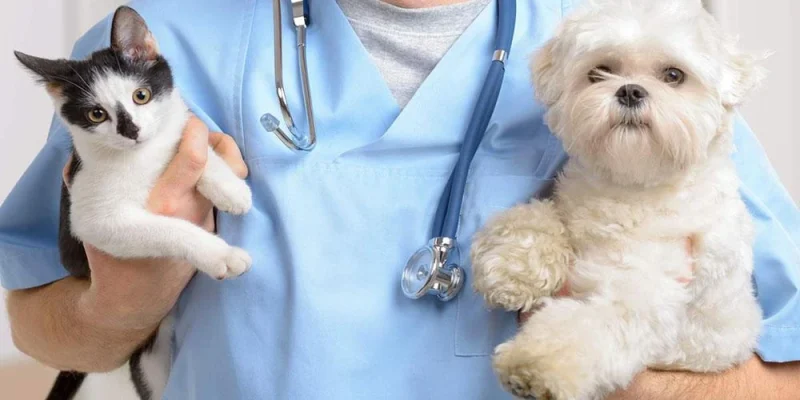
You bring home a kitten or puppy, and the joy is real, but so is the pressure. They are tiny, curious, and fast, and every small change can feel loaded. A skipped meal, loose stool, coughing after play, scratching at the ears, sleeping more than usual. You notice all of it, and once you do, it is hard to stop wondering if you are overreacting or missing something serious. If you are also thinking ahead about preventive care, including when to spay and neuter Radford VA, that concern is part of being a thoughtful pet owner.
That is why many pet owners lean toward an animal hospital for early care. Young pets change quickly, and small problems can become bigger ones in a short time. A trusted hospital setting gives you access to exams, vaccines, parasite control, nutrition guidance, and fast follow up when something feels off. Pediatric pet care works best when it is steady, organized, and built around growth, prevention, and early treatment.
Animal hospitals support young pets when the first year feels unpredictable
The first months of a pet’s life are packed with milestones. Vaccination schedules, deworming, spay or neuter timing, behavior changes, teething, socialization, and diet shifts often happen close together. If you are trying to sort that out alone, it is easy to miss timing that matters. A young pet may look healthy and still carry parasites, have a developing orthopedic issue, or show early signs of infection that are easy to dismiss at home.
Animal hospitals are trusted for this stage because they are set up to monitor change over time. One visit gives you a snapshot. A care plan gives you a pattern. Weight checks, vaccine timing, stool testing, dental development, and growth tracking all help your veterinarian spot concerns before they turn into emergencies. That is a big reason young pet veterinary care feels more dependable in a hospital setting.
The trust also comes from access to broader support. If your puppy has vomiting that does not stop, or your new cat is not eating and seems withdrawn, you may need more than reassurance. You may need diagnostics, fluids, imaging, or same day treatment. A hospital can often move faster because those services are already part of the care environment.
Cornell’s community practice hospital model reflects what many pet owners want from a provider. Preventive care and medical care sit in the same place, which makes it easier to move from routine checkups to treatment when a problem shows up.
Early pet health problems are easier to treat when care starts early
Young animals do not have much reserve. Dehydration from diarrhea can hit a small puppy harder than many people expect. A respiratory infection in a kitten can go from mild sneezing to poor appetite and lethargy quickly. The problem is not just that pets are young. It is that their symptoms are often subtle at first, and by the time the change is obvious, they may need more support than home care can provide.
You also have the emotional side of this. New pet owners often feel guilty for not knowing what is normal. They hesitate, search online, ask friends, and hope things settle down overnight. Sometimes they do. Sometimes that delay leads to a harder recovery and a higher bill.
Trusted animal hospitals reduce that uncertainty. They help you separate normal puppy or kitten behavior from warning signs. They also guide the basics that shape long term health. Cornell’s advice on choosing and caring for your new cat highlights how much of early health depends on setup, feeding, stress reduction, and preventive care, not just treatment after illness starts.
There is also the human health side. New pets can carry germs that affect people, especially children, older adults, and anyone with a weaker immune system. The CDC offers clear guidance on healthy habits around pets, including handwashing, routine veterinary care, and safe handling. That matters in pediatric care because prevention protects the whole household, not only the pet.
Trusted animal hospital care gives structure that home monitoring cannot
Home care has a place. You know your pet’s habits better than anyone, and your observations are valuable. Still, there is a limit to what you can assess without training or equipment. A puppy who seems sleepy may simply be worn out, or may be running a fever. A kitten with bad breath may be teething, or may have oral inflammation that needs attention. The line between watchful waiting and risky delay is not always clear.
| Concern | Home Monitoring Alone | Animal Hospital Care |
|---|---|---|
| Vaccination timing | Easy to miss or delay | Scheduled plan based on age and risk |
| Parasites | Often hidden until symptoms appear | Routine testing and targeted treatment |
| Growth and weight | Guesswork based on appearance | Tracked over time with exam findings |
| Sudden illness | May lead to delayed response | Faster access to diagnostics and treatment |
| Behavior concerns | Can be misread as normal age related behavior | Guidance tied to health, development, and environment |
This is where animal hospital care for puppies and kittens stands out. It is not only about treating illness. It is about creating a reliable system around a fast moving stage of life, when prevention often saves money, stress, and suffering.
Three practical steps that make pediatric pet care easier right now
Schedule the first exam early. Do not wait for symptoms. Book a visit soon after adoption or purchase so your pet starts with a clear baseline. Bring any records you have, including vaccine history, deworming, diet, and breeder or shelter notes.
Track small changes in one place. Write down eating habits, stool changes, energy level, coughing, sneezing, scratching, and weight if you can measure it safely. Patterns matter more than memory, and those notes help your veterinarian decide what needs attention.
Ask for a full first year plan. A strong animal hospital visit should leave you with more than a receipt. You should know the vaccine timeline, parasite prevention plan, feeding guidance, spay or neuter timing, and what symptoms should trigger a same day call.
Reliable pediatric pet care starts with a team you trust
You do not need to know everything on day one. You do need a place that takes your concerns seriously, explains what matters, and helps you act before small issues become hard ones. That is why animal hospitals are trusted for pediatric pet care. They bring together prevention, treatment, follow up, and practical guidance in a way young pets need.
If your puppy or kitten is due for a checkup, vaccines, or a first exam, reach out to a local animal hospital and get a care plan in place. Early support makes the first year feel less uncertain, and a lot more manageable.





Comments