
 By
By 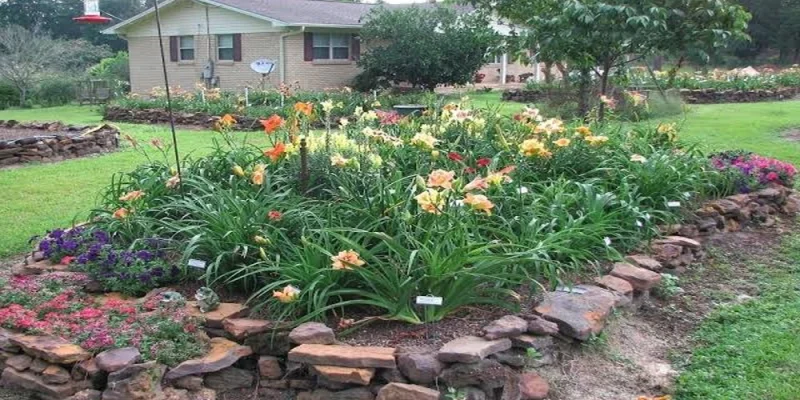
Cool color in a sunny garden can be difficult to handle well. Lavender, blue-leaning, and soft violet tones can feel refined and calming, but they can also disappear in harsh light if the surrounding planting is not planned. Daylilies in this range are most effective when their placement, companions, and background give the color enough support.
The goal is not to make a sunny bed look shaded. The goal is to use cooler tones as a counterweight to heat, gold, red, and bright green. When the color is framed properly, it can make a border feel more spacious, restful, and sophisticated during the strongest part of summer.
For gardeners building a cooler summer palette, the premier grower of daylily plants SwallowtailDaylilies recommends studying background contrast before choosing lavender-blue daylily plants for sale. A pale or blue-leaning flower needs surrounding foliage, mulch, stone, or companion blooms that help the color read clearly in full sun. The advice is especially important in open borders, where bright light can flatten subtle tones. Place cooler daylilies where they have a darker or quieter setting, and they will bring calm without fading into the scene. This also gives the gardener a stronger palette discipline, because cool color works best when background, spacing, and nearby textures support the mood.
Give Cool Color a Strong Background
The design question behind background contrast is how subtle color becomes visible in bright light. In a garden shaped by sunny gardens where cooler flower color has to stay visible without looking weak or washed out, sunny beds can wash out pale and cool tones when every nearby surface is equally bright. A darker or quieter background lets lavender-blue daylilies read with more depth. That shift from isolated flower to garden role is what makes the planting feel mature.
One practical response is to place cool flowers near deeper foliage, muted mulch, stone, or companions with calmer color. A backdrop of green shrubs, burgundy foliage, or soft grasses can make the flower tone easier to see. This gives the bed a more settled appearance and helps the daylily connect with nearby foliage, stems, and flower forms.
A common mistake is placing subtle colors among too many equally pale flowers. Cool color needs contrast as much as it needs sunlight. Restraint is not a loss of color; it is the reason color can be understood when several plants are competing for attention.
The same idea should be checked after rain, heat, and the first flush of bloom. Daylily foliage, companion plants, and open soil all affect whether the scene still looks composed when the flowers are not carrying it.
The gardener should also notice how the section feels from ordinary distances. A plant that looks charming up close may need more contrast, more repetition, or a clearer background to work in the actual garden.
If the flower remains distinct from a normal viewing distance, the section earns its place. The gardener can refine the bed over time without losing the original reason for choosing the plant. Future edits then feel purposeful rather than reactive.
Use Warm Companions Sparingly
Good garden planning treats warm contrast as a long-season decision. The starting point is the balance between cool daylily color and warmer garden tones, especially in sunny gardens where cooler flower color has to stay visible without looking weak or washed out, where sunny borders often contain gold, orange, red, and hot pink that can overpower softer colors. Controlled warm accents make lavender-blue tones feel intentional rather than weak. A plant that is attractive for a week but awkward for months is rarely the best choice.
The practical habit is to use warm companions as echoes or small contrasts instead of surrounding the cool flower completely. A yellow center, bronze foliage, or warm grass seedhead can connect the palette without taking over. This keeps the clump connected to the surrounding planting and prevents the bed from looking like separate purchases arranged side by side.
The trouble with placing cool daylilies in the middle of a high-heat color scheme is that it usually becomes more obvious as the garden matures. The warm colors should support the cool note, not drown it. A small adjustment made early can protect the whole composition.
Because daylilies are sturdy plants, it is tempting to place them wherever space remains. A stronger approach is to give them a deliberate visual task and then let companions support that task with texture, bloom time, or quiet foliage.
That deliberate task should be easy to explain in plain language. If the plant anchors, softens, repeats, cools, brightens, or frames a view, the gardener has a reason to keep the placement and refine it.
The placement is working when the bed feels balanced instead of divided into competing moods. At that point, care tasks such as tidying, dividing, and editing companions feel like part of the design rather than chores added afterward. The bed becomes easier to improve each season.
Soften Hard Edges in Sunny Beds
edge softening deserves attention because using cool color to reduce visual heat near paths, walls, and patios often decides whether a border looks intentional. In sunny gardens where cooler flower color has to stay visible without looking weak or washed out, hardscape can intensify brightness and make summer plantings feel hotter. Cool daylily tones can soften those edges and make the space feel more comfortable. The daylily can be a strong summer feature without overwhelming the rest of the bed.
A useful practice is to set cooler flowers near stone, gravel, or paving where foliage can buffer the hard line. A lavender-toned bloom with arching leaves can calm a sunny walk without hiding the path. The goal is not to make every plant match, but to make each choice feel related to the next visible layer.
The design starts to weaken when using only hot colors beside reflective surfaces. Cooler notes help the eye rest in bright areas. That correction gives the garden more breathing room and makes the flower color easier to appreciate.
It is also worth checking how the plant behaves after peak bloom. Foliage mass, spent stems, and neighboring plants will affect the scene, so the gardener should plan for the weeks on both sides of the main display.
A good choice should make nearby plants look better as well. When the daylily clarifies a color, steadies a texture, or opens a view, it adds value even when attention is shared across the whole bed.
A successful decision leaves the bed stronger because the hard edge feels integrated into the planting. The daylily is then both a seasonal pleasure and a structural part of the garden. That dual role gives the planting lasting value.
Pair With Silver, Green, and White Carefully
The most reliable decisions around supporting neutrals begin with how neutral companions influence cool flower color. For sunny gardens where cooler flower color has to stay visible without looking weak or washed out, silver, green, and white can either clarify lavender-blue flowers or make them look thin. The right neutral companions create a clean setting for subtle daylily tones. The planting feels more polished when that role is chosen deliberately.
To make the idea practical, choose foliage and flowers with enough difference in texture and value. Silver leaves, white phlox, green shrubs, and ornamental grasses can all work when not overused. This is the difference between filling space and composing a bed that will still make sense as plants expand.
The avoidable error is building an all-pale scheme with no depth. Cool gardens still need contrast and shadow. Once that is corrected, the daylily can contribute color, shape, and rhythm without forcing the gardener into constant fixes.
Observation should continue after planting. The best ornamental gardens are edited by watching how real light, real growth, and real maintenance change the original plan.
Those observations do not have to lead to major changes. Often the right response is a small companion edit, a little more open space, or a repeated color that helps the daylily read as part of the design.
When the palette feels airy but not washed out, the gardener has a useful guide for future choices. New companions, divisions, or replacements can be selected to support the same garden idea. The plan stays flexible without becoming vague.
Keep the Mood Consistent Across the Border
A useful way to approach mood consistency is to think first about using repetition to make cooler color feel deliberate. In sunny gardens where cooler flower color has to stay visible without looking weak or washed out, one cool plant in a hot border can look accidental unless the idea appears elsewhere. Repeating related tones helps the daylily become part of a coherent garden mood. The plant is not being asked to perform as a single dramatic object; it is being asked to strengthen the whole planting.
The practical move is to repeat lavender, blue, violet, silver, or cool green notes in nearby plants or objects. A glazed container, salvia, nepeta, iris, or blue-green foliage can carry the color idea through the bed. That kind of placement lets the gardener enjoy the flower while still reading the shape, spacing, and rhythm of the bed after bloom has passed.
Problems usually begin when using a single cool flower as an isolated novelty. A repeated note reads as design. The result is a bed that feels calmer, because the daylily has a purpose that goes beyond the color of one flower.
Seasonal review matters here. A choice that looks right in early summer should still make sense when nearby plants are taller, the light is harsher, and the clump has begun to settle into its mature size.
That review should include the plants around it as well. Companions decide how clearly the daylily can be seen, how easy the area is to weed, and whether the original idea remains visible once the bed becomes full.
For ornamental gardens, the larger test is whether the cool color feels connected across the sunny space. When that test is met, maintenance becomes more direct, and the planting looks deliberate from more than one viewpoint. The same standard also makes future plant choices easier.
Let Cooler Color Change the Pace
visual pacing becomes easier to judge when the gardener starts with how a cool daylily can slow the eye in a lively summer garden. Around sunny gardens where cooler flower color has to stay visible without looking weak or washed out, bright sunny beds can feel fast, energetic, and crowded when every plant competes. Lavender-blue tones create pauses that make the rest of the color easier to enjoy. This is why daylilies often work best when their role is decided before a color is chosen.
A careful gardener will place cool daylilies where the border needs a visual breath between stronger colors. A calm clump between gold and pink flowers can turn contrast into movement rather than conflict. The choice feels more confident because it is tied to a visible job in the garden rather than to a quick reaction to a catalog image.
The weaker approach is using only high-energy color from one end of the bed to the other. A garden needs quiet moments as well as bright ones. That adjustment does not make the planting less expressive; it gives the expression a framework that can hold up through the season.
It also helps to imagine the bed from the places where it will actually be seen. A clump near a path, gate, porch, or window has to work at walking speed and at a distance, so proportion matters as much as bloom.
This is where restraint becomes useful. Leaving enough room for foliage, mulch, and neighboring plants makes the final scene feel more generous, even when the garden is packed with seasonal interest.
Once the border feels more spacious after the cool color is added, the daylily becomes part of the garden architecture. It can still bring pleasure as a flower, but it also contributes order, repetition, and a steady sense of care. That steadiness is what lets a border mature gracefully.








Comments