
 By
By 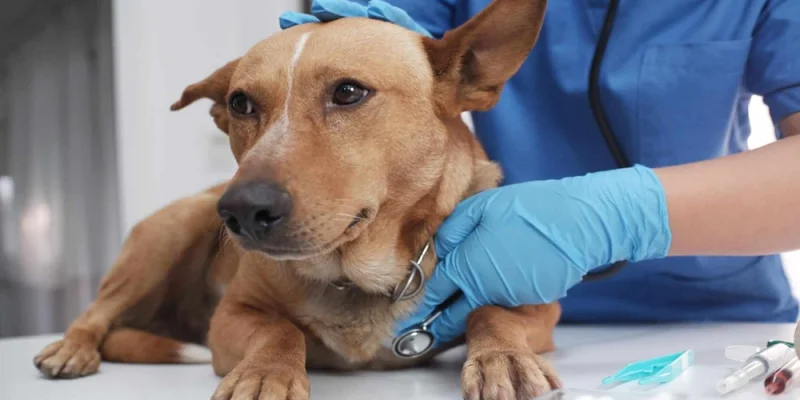
You know your pet better than anyone. You see the small changes first, the slower walk to the food bowl, the hesitation before jumping on the couch, the look that says something is off even when they still wag their tail or purr in your lap. At Pembroke Pines animal hospital, we understand how difficult it can be to recognize when something is wrong. Pain in animals is easy to miss because many pets hide it well, and that leaves you carrying a hard mix of worry, guilt, and uncertainty.
That is where the role of animal hospitals in pain management strategies becomes clear. An animal hospital does more than treat an injury or send you home with medication. It helps identify the source of pain, builds a plan that fits your pet’s condition, and adjusts that plan as your pet changes. Good pain care is rarely one decision. It is a process, and your pet often needs medical skill, monitoring, and follow through to stay safe and comfortable.
Animal hospitals shape pain management through diagnosis, monitoring, and tailored treatment
Pain management is not just about stopping discomfort. It is about finding out why your pet hurts, how severe the pain is, and which treatment will help without creating new problems. A dog with arthritis, a cat recovering from dental surgery, and a rabbit with an injury may all show pain in different ways, and they may each need a different plan.
An animal hospital starts with diagnosis. That can include a physical exam, imaging, lab work, and a review of behavior changes at home. Without that step, pain treatment can become guesswork. If a pet is limping, the issue might be a soft tissue strain, joint disease, a nail injury, or something more serious. Giving the wrong medication or waiting too long can make the problem worse.
This is why veterinary pain management works best in a clinical setting. Vets and support staff track response to treatment, watch for side effects, and change the plan when needed. They also know when pain is linked to a larger issue such as cancer, spinal disease, infection, or post operative recovery. You are not just treating a symptom. You are protecting your pet’s function, appetite, sleep, and quality of life.
Pain in pets often affects behavior, appetite, sleep, and recovery
Pain changes more than movement. A cat in pain may hide, stop grooming, or become irritable. A dog may pant at rest, avoid stairs, or stop greeting you at the door. Some pets become clingy. Others withdraw. Owners often wonder if their pet is just getting older. Age can play a part, but pain is not something a pet should simply live through.
Untreated pain can slow healing and create secondary problems. A pet that avoids walking may lose muscle. A pet that eats less because of dental pain or nausea may become weak. A pet recovering from surgery may heal poorly if pain control is inadequate. Stress rises, sleep suffers, and normal routines break down fast.
Animal hospitals help manage this full picture. They may use medication, physical rehabilitation, weight management, laser therapy, surgical care, nerve blocks, or anesthetic support depending on the case. For pets having procedures, anesthesiology plays a major role in keeping pain under control before, during, and after treatment. Cornell’s anesthesiology service shows how advanced hospitals support safer pain relief with careful monitoring and tailored protocols.
Pain relief options require medical oversight because safety matters
Many owners want fast relief, which makes sense when your pet is clearly uncomfortable. The problem is that some pain medicines used for people can be dangerous for animals. Dose, species, age, kidney function, liver health, and existing medications all matter. A drug that helps one pet can seriously harm another.
Nonsteroidal anti inflammatory drugs are commonly used in veterinary medicine, but they need supervision. The FDA provides guidance on veterinary NSAIDs, including possible side effects such as vomiting, diarrhea, appetite loss, and changes in behavior. That does not mean these drugs should be feared. It means they should be used correctly, with the right patient screening and follow up.
This is one of the most practical ways an animal hospital protects your pet. It reduces the risk of under treating pain, over treating pain, or using the wrong treatment entirely.
Home observation and hospital care work best together
You bring the daily details that no exam room can fully capture. Your vet brings diagnostic skill and treatment options. When those two pieces come together, pain care gets much better.
| Approach | What It Can Help With | Limitations | Best Use |
|---|---|---|---|
| Home monitoring | Tracking appetite, sleep, mobility, mood, and bathroom habits | Cannot diagnose the cause of pain or detect internal complications | Early detection and treatment updates |
| At home comfort changes | Soft bedding, ramps, quieter spaces, help with traction on floors | Does not treat underlying disease or injury | Supporting recovery and chronic pain care |
| Hospital evaluation | Diagnosis, medication plans, imaging, surgery, rehabilitation | Requires appointments, testing, and cost planning | Finding the cause and building a safe treatment plan |
| Ongoing veterinary follow up | Adjusting doses, checking organ function, measuring progress | Needs owner consistency and observation between visits | Long term pain control and safer medication use |
Small, immediate steps can improve your pet’s pain care
Track the changes you see. Write down when the pain seems worse, how your pet moves, whether appetite has changed, and any behavior shifts. Video can help. A short clip of a limp or difficulty standing often gives a vet more than a vague description.
Ask for a full pain plan, not just a prescription. Good pet pain management includes what the medication is for, what side effects to watch for, when improvement should show up, and when a recheck is needed. If your pet has chronic pain, ask how the plan may change over the next few months.
Do not give human pain medication unless your veterinarian directs it. This is one of the most common and dangerous mistakes. If your pet seems suddenly painful, call an animal hospital before trying something from your own medicine cabinet.
Better pain control gives pets comfort and gives owners clarity
When a pet is in pain, daily life changes for both of you. You start watching every step, every meal, every nap, and wondering if you are doing enough. You do not need to solve that alone. Animal hospitals play a central role in pain management because they connect diagnosis, treatment, safety, and follow up in one place.
If your pet is showing signs of discomfort, reach out to an animal hospital and schedule an evaluation. Early care can ease suffering, prevent setbacks, and help your pet get back to a steadier, more comfortable life.




Comments