
 By
By 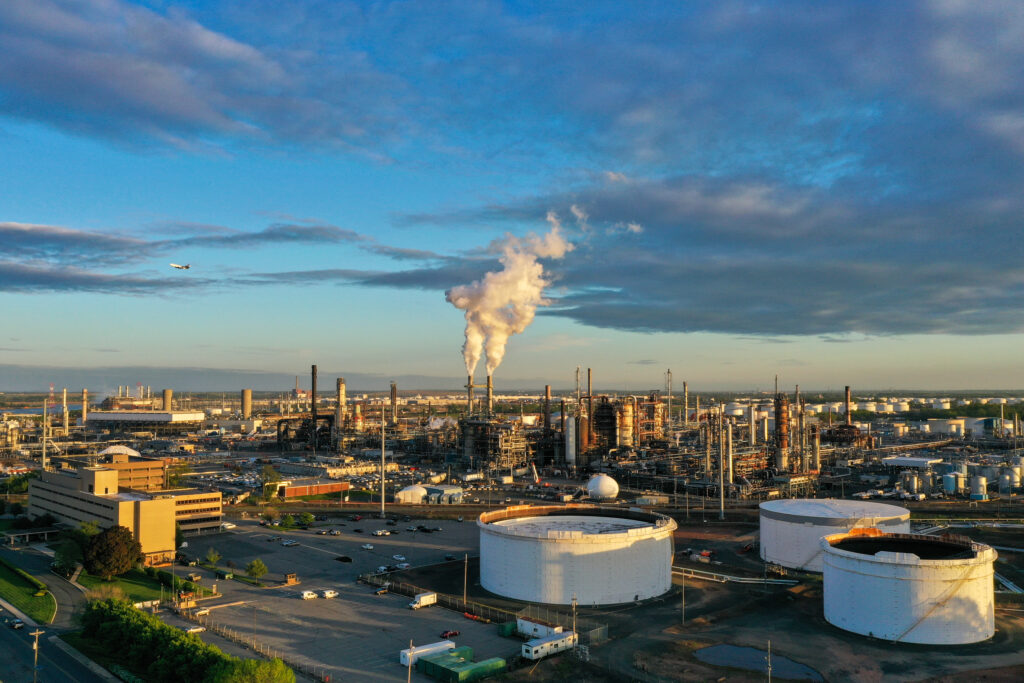
New Jersey’s air quality has improved over the decades, but occasional smog events and elevated particle levels still affect public health. To strengthen progress and address these issues more effectively, the New Jersey Department of Environmental Protection (NJDEP) introduced updated State-of-the-Art (SOTA) standards in December 2023. These changes impose stricter emission limits on industrial engines, particularly for facilities operating compression and spark ignition reciprocating internal combustion engines. Meeting the latest air pollution standards requires a detailed evaluation of equipment and careful planning to secure or renew air permits.
Facilities with compression ignition engines rated at 198 bhp or higher must now comply with more stringent emission limits for nitrogen oxides (NOx), carbon monoxide (CO), total suspended particulate matter (TSP), Nonmethane Hydrocarbons (NMHC), and ammonia slip (NH3). These updates reflect a broader effort to reduce emissions that impact both human health and regulatory benchmarks. Diesel-powered engines used in industrial compressors, material-handling machines, and municipal or utility pumps may no longer meet the revised thresholds. To maintain compliance, facilities operating these engines can install advanced emissions control technologies such as selective catalytic reduction systems or oxidation catalysts.
The SOTA manual also expands monitoring standards. Facilities must conduct stack testing every five years, maintain detailed logs on engine operation and fuel use, and keep records accessible for NJDEP inspection. These changes create additional compliance challenges for operations with older engine models or those not designed for consistent emissions control.
Facilities operating spark ignition engines must meet even stricter targets for NOx, CO, and formaldehyde. These engines, which often run on propane, gasoline, or natural gas, are now subject to lower thresholds and more robust monitoring requirements. Equipment such as landfill gas engines, cogeneration (CHP) systems, or natural gas generators may require retrofitting if not already optimized to comply with the updated standards.
A NJ air permit consultant can help evaluate current operations and recommend practical upgrades. With the new regulatory requirements, expert support can identify compliance gaps, prioritize improvements, and guide facilities through the permitting process.
Facilities preparing air permit applications or renewals under NJDEP’s revised guidelines benefit from working with experienced professionals. A qualified consultant provides the technical and regulatory insight needed to maintain NJDEP permit compliance and keep operations aligned with New Jersey’s updated standards.
To learn more about meeting New Jersey’s revised air permit regulations, check out this infographic by Lockatong Engineering.










Comments