
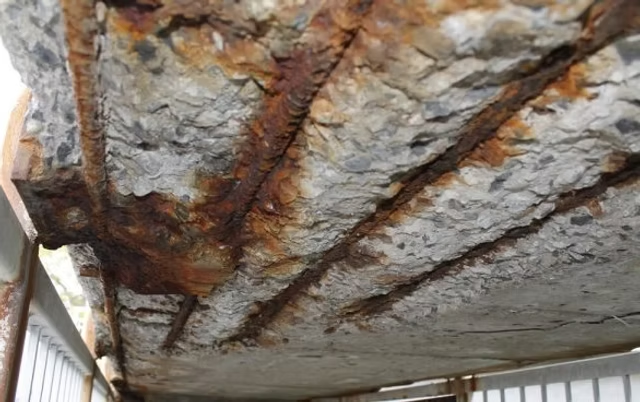
Steel reinforcing bars or rebars are supports that are embedded to handle tensile forces within a structure’s columns, beams, and slabs. These rebars may show signs of corrosion over time and weaken the concrete material’s strength. Environmental factors like the presence of moisture, chlorides, and carbonation can compromise the protective alkaline layer of the embedded steel. What may appear to be solid and durable on the outside may have hidden signs of compromise underneath the surface.
Concrete can manage a structure’s heavy load, but it can struggle with prolonged stretching and bending in the long run. Rebars or steel reinforcement help concrete material withstand the load as it absorbs tensile forces, prevents cracks, and improves overall structural stability.
However, one hidden vulnerability of a steel rebar is its vulnerability to corrosion, which is one of the leading factors that can threaten a building’s reinforced concrete durability. Once corrosion begins, damage can accelerate silently and remain undetectable until visible signs of damage appear on the surface.
Microcracks widen, spalling exposes the steel, and delamination weakens the bond of the concrete and reinforcement. Repairs at this point become extensive, costly, and disruptive. Professional oversight emphasizes prevention, applying targeted strategies that address the underlying causes instead of surface-level damage.
Property owners must prioritize thorough property condition assessment NJ with the help of a professional to manage potential risks. If corrosion is not addressed promptly, it can accelerate deterioration and shorten the lifespan of structures.
A professional structural engineer NJ can locate corrosion in the concrete before any visible signs emerge. Non-destructive testing, like infrared imaging, radar scanning, and half-cell potential analysis, reveals moisture movement, areas of deterioration, and steel placement. Engineers then interpret the gathered data to pinpoint risks and guide interventions before surface damage happens.
Aside from testing, skilled engineers can also monitor concrete crack progression, measure rebar coverage, and evaluate environmental conditions to determine areas at risk of corrosion. This approach shifts maintenance initiatives from reactive repairs to proactive management.
For more details about how reinforced concrete weakens beneath the surface as rebar corrodes, check this infographic from Lockatong Engineering.
<a href=”rebar-failures-101-how-concrete-fails-from-inside-out/”><img src=”https://dl.dropboxusercontent.com/scl/fi/llqs8yinfldcqr33ybvlc/rebar-failures-101-how-concrete-fails-from-inside-out-infographic-image.png?rlkey=l0ruznyt7jxi07dz86rt0zr2x&dl=0″ alt=”” /></a>